
Why Calibration Is Critical for Patient Safety
Introduction
In healthcare, where precision and reliability are paramount, medical devices play a critical role in diagnosing and treating patients. From thermometers and blood pressure monitors to advanced imaging systems like MRI and CT scanners, these devices provide the foundation for medical decision-making. However, the accuracy of these devices can degrade over time due to wear and tear, environmental factors, or improper use. Calibration—the process of ensuring that a device’s measurements conform to a standard—is essential to maintaining their reliability and safeguarding patient safety. This blog explores the significance of calibration in the medical field, its impact on patient outcomes, and why it must be a top priority for healthcare facilities.
What Is Calibration?
Calibration is the process of comparing a device’s measurements with a known standard to detect and correct deviations. For medical devices, calibration ensures that the equipment operates within its specified accuracy range. This involves:
- Reference Standards: Using internationally recognized calibration standards such as those set by ISO/IEC 17025.
- Adjustment: Making necessary adjustments to bring the device back to its optimal performance.
- Documentation: Issuing calibration certificates that detail the results and compliance with applicable regulations.
The Role of Medical Devices in Patient Safety
Medical devices are integral to modern healthcare, and their accuracy directly impacts patient outcomes. For example:
- Diagnostic Accuracy: A miscalibrated blood glucose monitor could lead to incorrect insulin dosage, risking a patient’s life.
- Therapeutic Reliability: Radiation therapy devices must deliver precise doses to target tissues without harming surrounding healthy tissue.
- Surgical Precision: Devices like endoscopes and surgical lasers require exact calibration to function correctly during critical procedures.
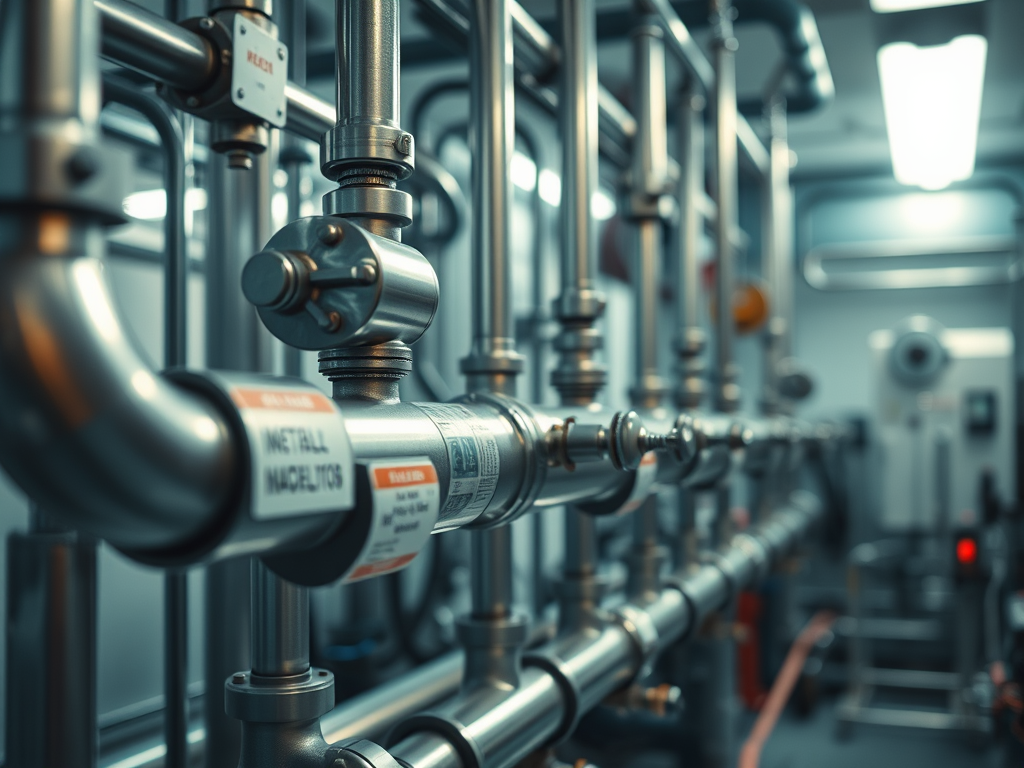
Similarly, medical gas pipeline systems—responsible for delivering life-saving gases like oxygen, nitrous oxide, and medical air—must undergo regular calibration and maintenance. Any deviation in pressure or flow rates can jeopardize patient safety, especially in critical care or surgical environments.
When these devices or systems fail to provide accurate readings or consistent delivery, the consequences can be severe, including misdiagnosis, delayed treatment, or even fatalities.
Why Calibration Is Critical for Patient Safety
- Accurate Diagnosis and Treatment
- Medical devices provide data that healthcare professionals rely on to make life-saving decisions. For instance, an uncalibrated ECG machine may fail to detect arrhythmias, leading to incorrect treatment plans.
- Medical gas pipelines must deliver gases at precise concentrations and flow rates to ensure patient safety during surgeries or critical care scenarios. An incorrectly calibrated system could lead to hypoxia or other complications.
- Compliance with Regulatory Standards
- In India, the Medical Device Rules (MDR) 2017 mandate the regular calibration of medical equipment to ensure compliance with safety and performance standards. Non-compliance can lead to legal penalties and jeopardize patient safety.
- For medical gas pipelines, compliance with standards like NFPA 99 or ISO 7396-1 is critical to ensure safe and uninterrupted gas delivery.
- Minimizing Errors
- Errors in medical devices due to lack of calibration can have devastating effects. A miscalibrated ventilator delivering incorrect oxygen levels can harm critically ill patients.
- Similarly, incorrect calibration of gas pipelines can result in gas leaks, pressure imbalances, or contamination, all of which pose severe risks to patients.
- Building Patient Trust
- Patients and their families trust healthcare facilities to provide accurate diagnoses and effective treatment. Properly calibrated devices and systems reinforce this trust by ensuring reliability and safety.
- Cost Efficiency
- Regular calibration prevents device malfunction, reducing the need for costly repairs or replacements. This ensures the uninterrupted operation of healthcare facilities.
- For gas pipelines, preventive maintenance and calibration reduce the risk of emergency repairs and associated costs.
Consequences of Neglecting Calibration
Failure to calibrate medical devices or gas pipelines can result in severe repercussions, including:
- Patient Harm:
- Misdiagnosis or incorrect treatment due to inaccurate readings.
- Increased risk of surgical errors or complications.
- Improper delivery of medical gases, leading to life-threatening conditions.
- Regulatory Violations:
- Non-compliance with NABL (National Accreditation Board for Testing and Calibration Laboratories) or ISO standards can lead to legal issues and loss of accreditation.
- Financial Losses:
- Lawsuits stemming from medical negligence.
- Increased maintenance costs due to frequent equipment breakdowns.
- Emergency repairs for gas pipelines can be costly and disruptive.
- Reputational Damage:
- A single incident involving faulty equipment or gas delivery can damage the reputation of a healthcare facility, leading to a loss of patient trust.

Key Medical Devices and Systems That Require Regular Calibration
- Diagnostic Instruments:
- Blood pressure monitors
- Blood glucose meters
- ECG machines
- Imaging devices (MRI, CT, X-ray)
- Therapeutic Devices:
- Ventilators
- Dialysis machines
- Infusion pumps
- Laboratory Equipment:
- Spectrophotometers
- Centrifuges
- Pipettes
- Surgical Tools:
- Lasers
- Endoscopes
- Robotic surgical systems
- Medical Gas Pipelines:
- Oxygen supply systems
- Nitrous oxide delivery pipelines
- Vacuum and suction systems
- Gas pressure regulators and flow meters
The Calibration Process
The calibration of medical devices and gas pipelines involves several steps:
- Pre-Calibration Assessment:
- Reviewing the device or system’s history, including previous calibration reports.
- Visual inspection for physical wear or damage.
- Calibration Procedure:
- Comparing device measurements or gas pipeline performance against a traceable reference standard.
- Adjusting the device or system to align with the standard.
- Post-Calibration Testing:
- Verifying the device’s performance after adjustments.
- Conducting functionality tests to ensure reliability.
- For gas pipelines, testing for leaks, pressure consistency, and gas purity.
- Certification:
- Issuing a calibration certificate that includes:
- Device or system identification
- Calibration results
- Traceability to reference standards
- Technician details
- Issuing a calibration certificate that includes:
- Scheduling Next Calibration:
- Determining the next calibration date based on device or system usage and manufacturer recommendations.

Regulatory Framework and Standards
In India, calibration is governed by:
- Medical Device Rules (MDR) 2017:
- Mandates the maintenance and calibration of all medical devices to ensure patient safety.
- ISO/IEC 17025:
- Sets the global benchmark for calibration laboratories.
- NABL Accreditation:
- Ensures that calibration laboratories meet international standards of quality and precision.
- IEC 60601:
- Focuses on the safety and performance of electrical medical equipment.
- NFPA 99 and ISO 7396-1:
- Standards specific to medical gas pipeline systems to ensure safe installation, operation, and maintenance.
Best Practices for Calibration in Healthcare Facilities
- Establish a Calibration Schedule:
- Regularly calibrate devices and gas pipelines based on manufacturer guidelines and usage intensity.
- Choose Accredited Service Providers:
- Partner with NABL-accredited laboratories for reliable calibration services.
- Maintain Detailed Records:
- Keep comprehensive documentation of all calibration activities for audits and inspections.
- Train Staff:
- Ensure that healthcare staff understand the importance of calibration and know how to identify potential issues with equipment or gas pipelines.
- Implement Preventive Maintenance:
- Combine calibration with regular maintenance to maximize device lifespan and reliability.
Future Trends in Calibration
- Digital Calibration:
- Leveraging IoT and AI for real-time monitoring and automated calibration.
- Predictive Maintenance:
- Using data analytics to predict calibration needs before device or system performance is compromised.
- Remote Calibration Services:
- Offering remote calibration solutions through cloud-based platforms.
- Stricter Regulatory Oversight:
- Increasing emphasis on calibration compliance in healthcare accreditation processes.
Conclusion
Calibration is not just a technical requirement but a fundamental aspect of ensuring patient safety in healthcare. By maintaining the accuracy and reliability of medical devices and systems such as gas pipelines, calibration safeguards diagnostic and therapeutic processes, enhances regulatory compliance, and builds trust among patients. Healthcare facilities must prioritize regular calibration as part of their commitment to excellence and safety. By partnering with accredited calibration providers and adopting best practices, the medical industry can continue to deliver precise, reliable, and life-saving care.

Leave a comment